

German Master Craftsmanship — Power, Nuance & Musical Depth
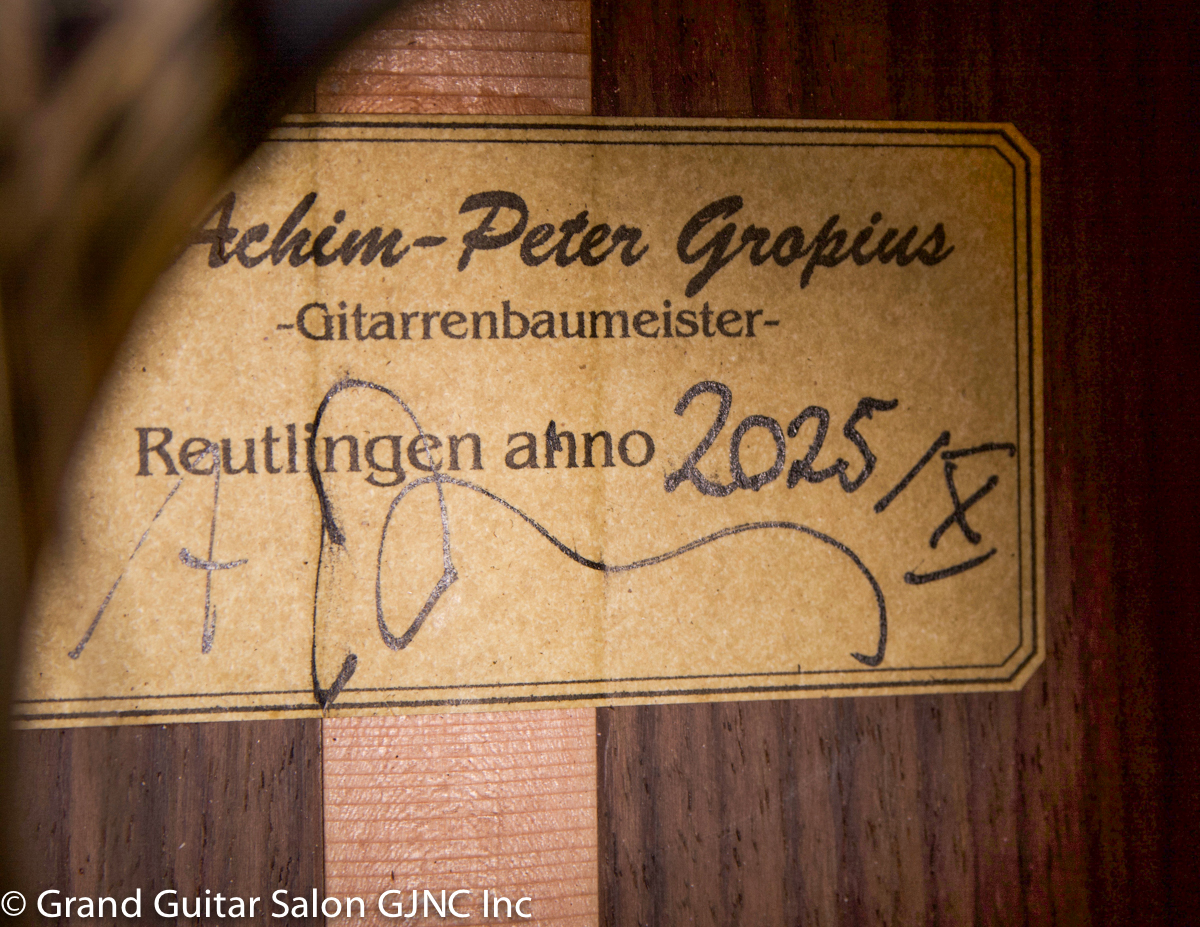
We are very pleased to present this exceptional 2026 Achim-Peter Gropius Double Top Concert Classical Guitar, handcrafted in Germany and representing more than three decades of experience from one of Germany’s highly accomplished contemporary guitar makers.
There is something particularly compelling about this instrument.
Built around a sophisticated German spruce-on-spruce Double Top with a Nomex inner core, it combines the strength and projection expected from a modern concert guitar with the refinement, sensitivity and tonal complexity associated with a meticulously handmade instrument.
The result is a guitar conceived for the demands of the concert stage — powerful when required, responsive under a delicate touch, rich in nuance and capable of an impressive dynamic range.
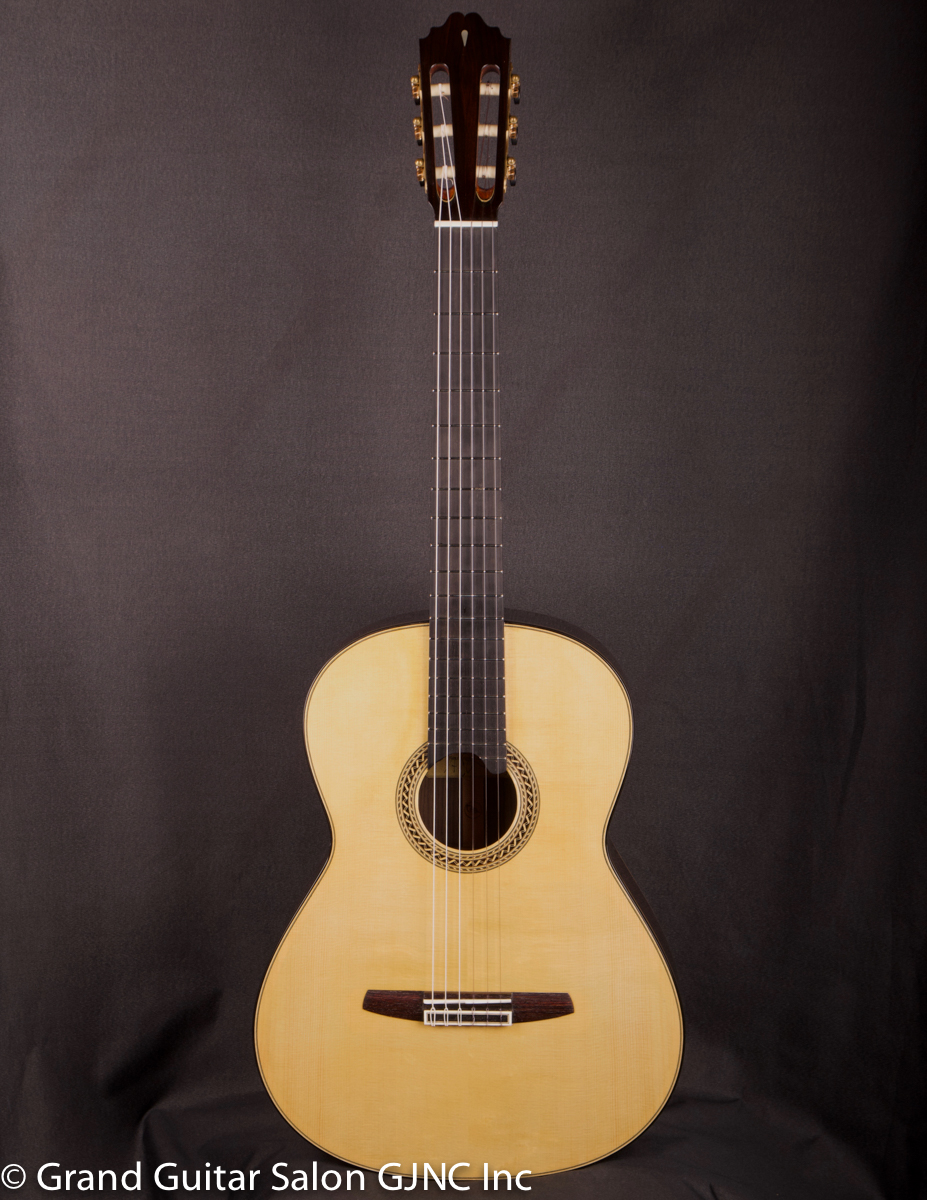
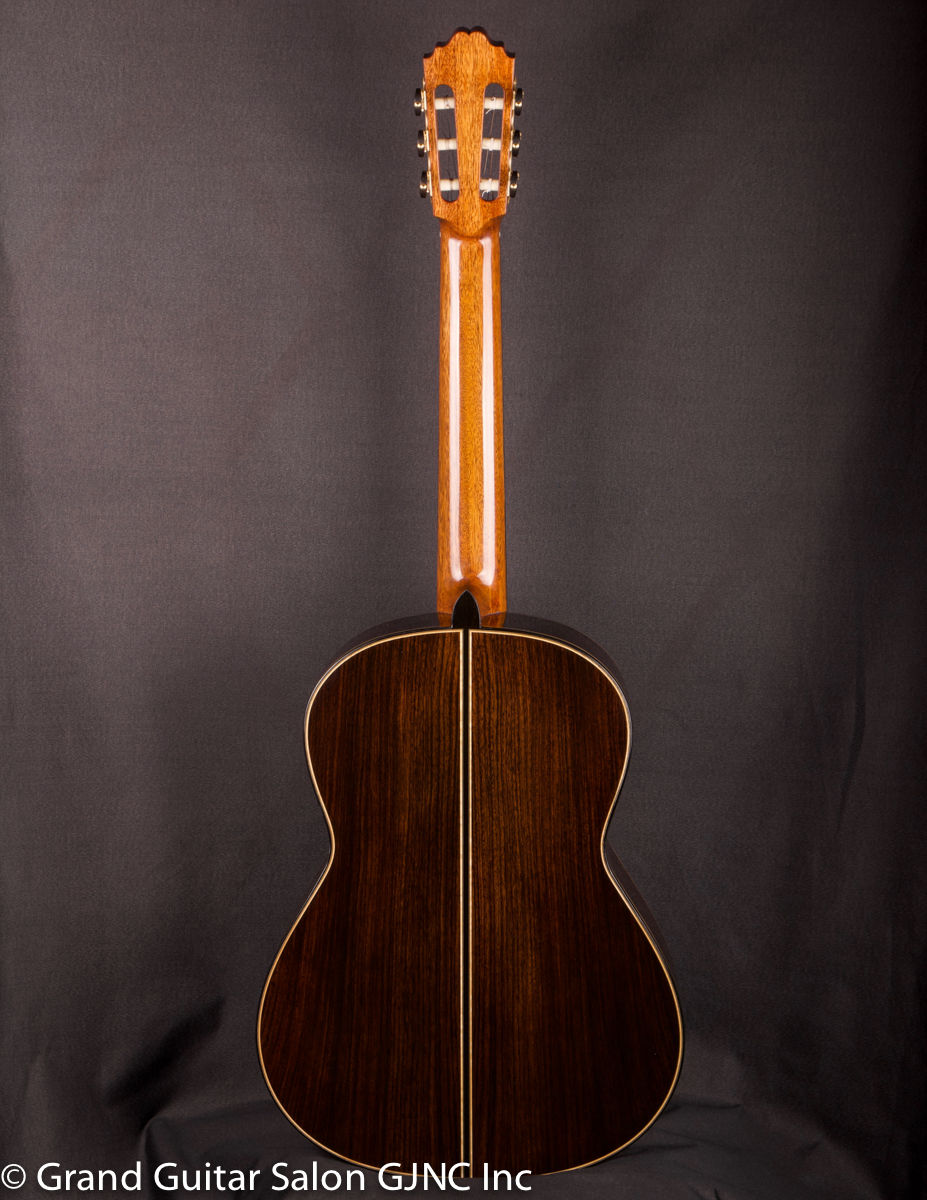
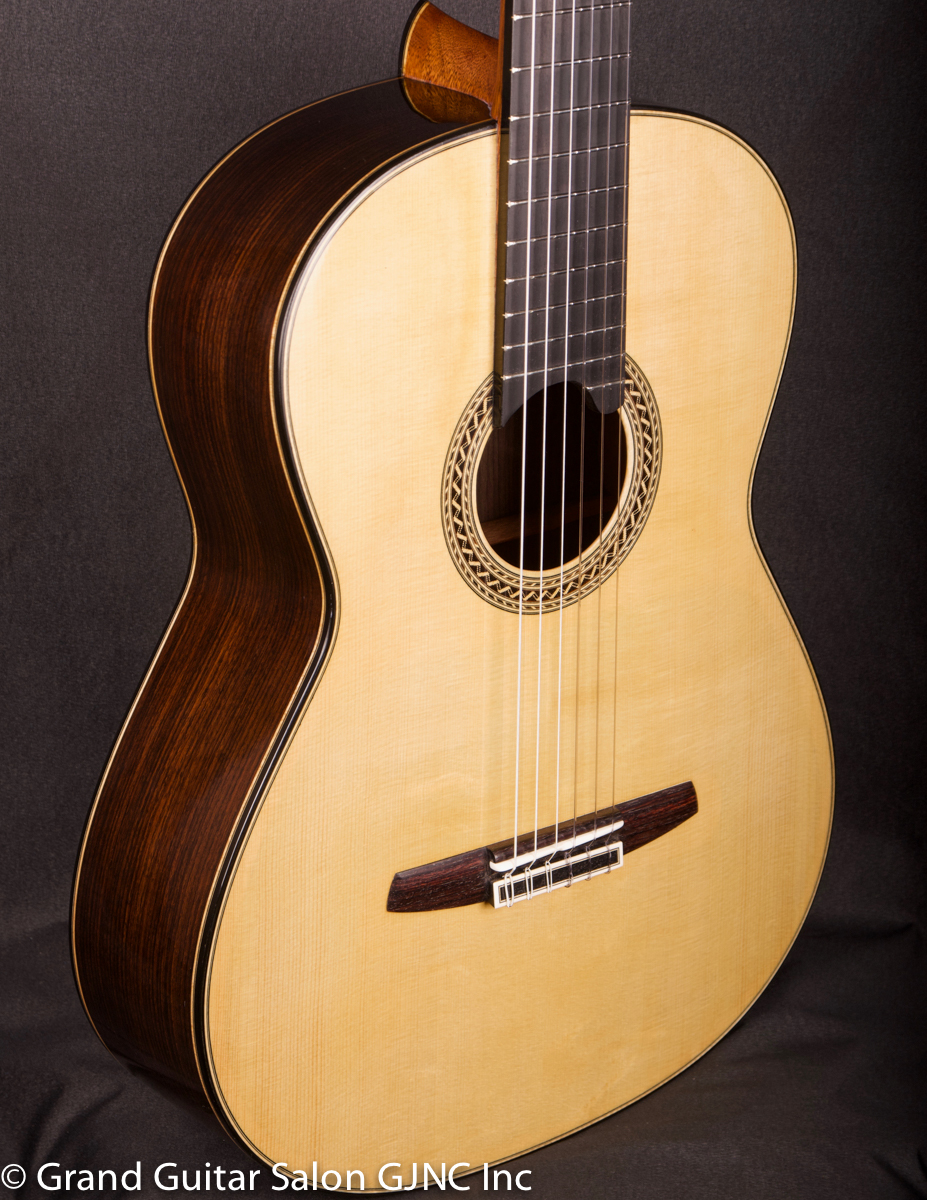
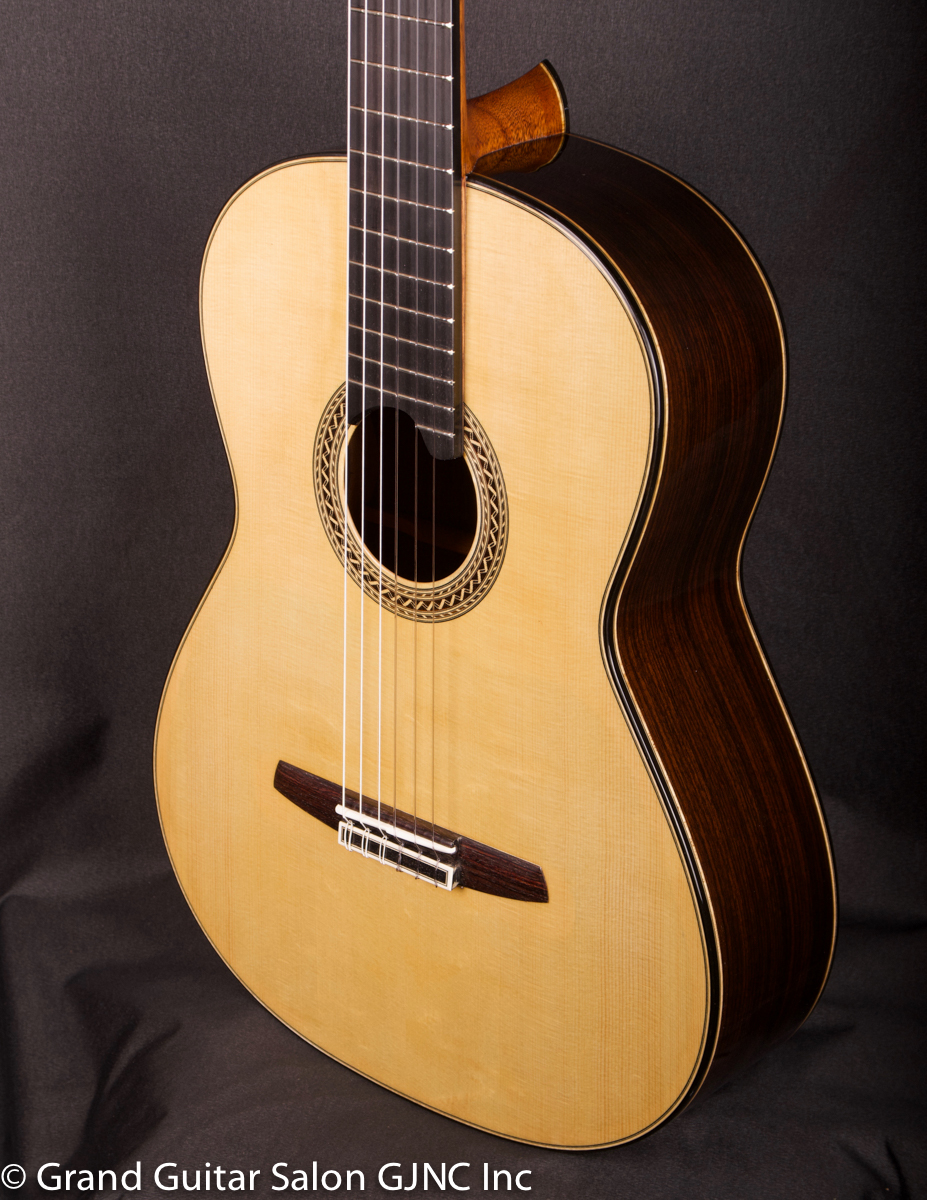
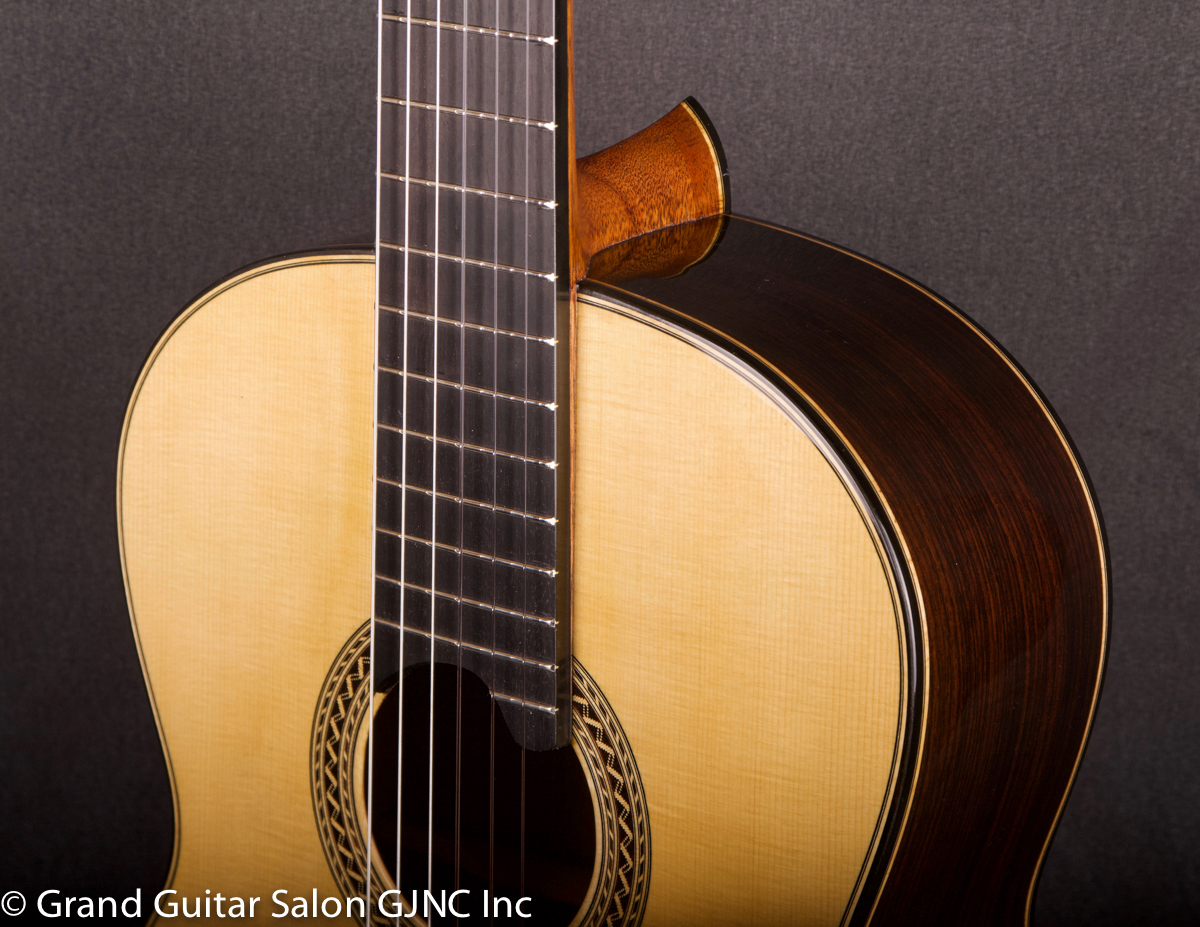
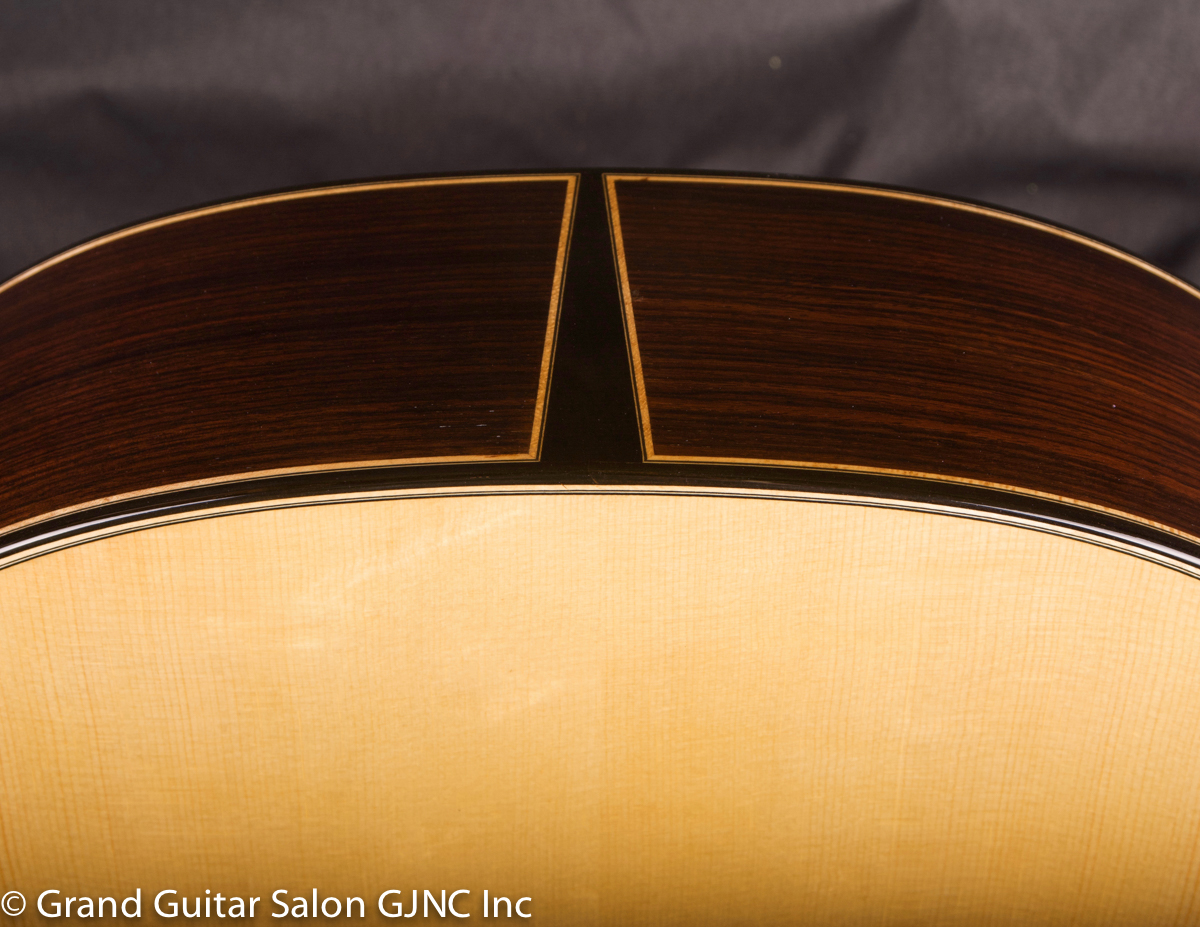
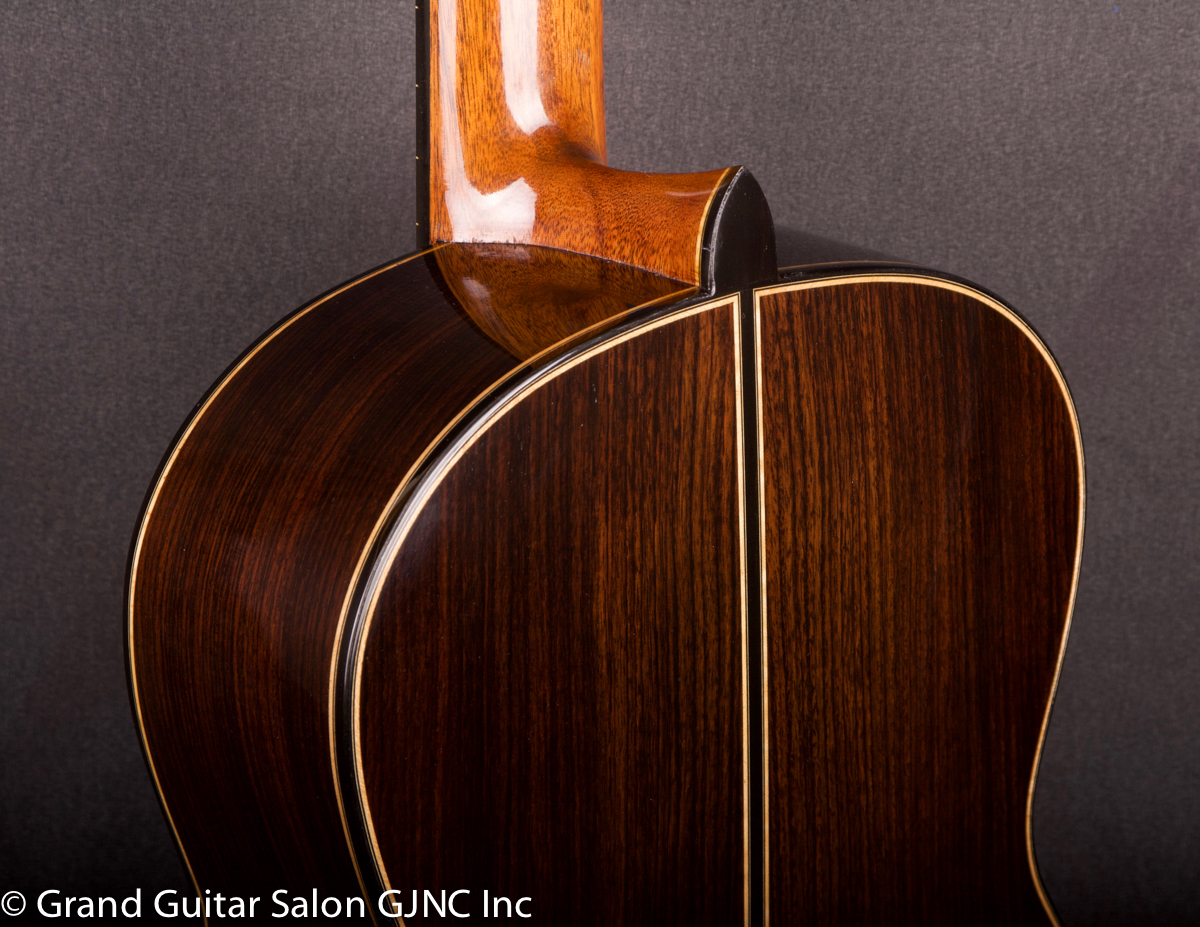
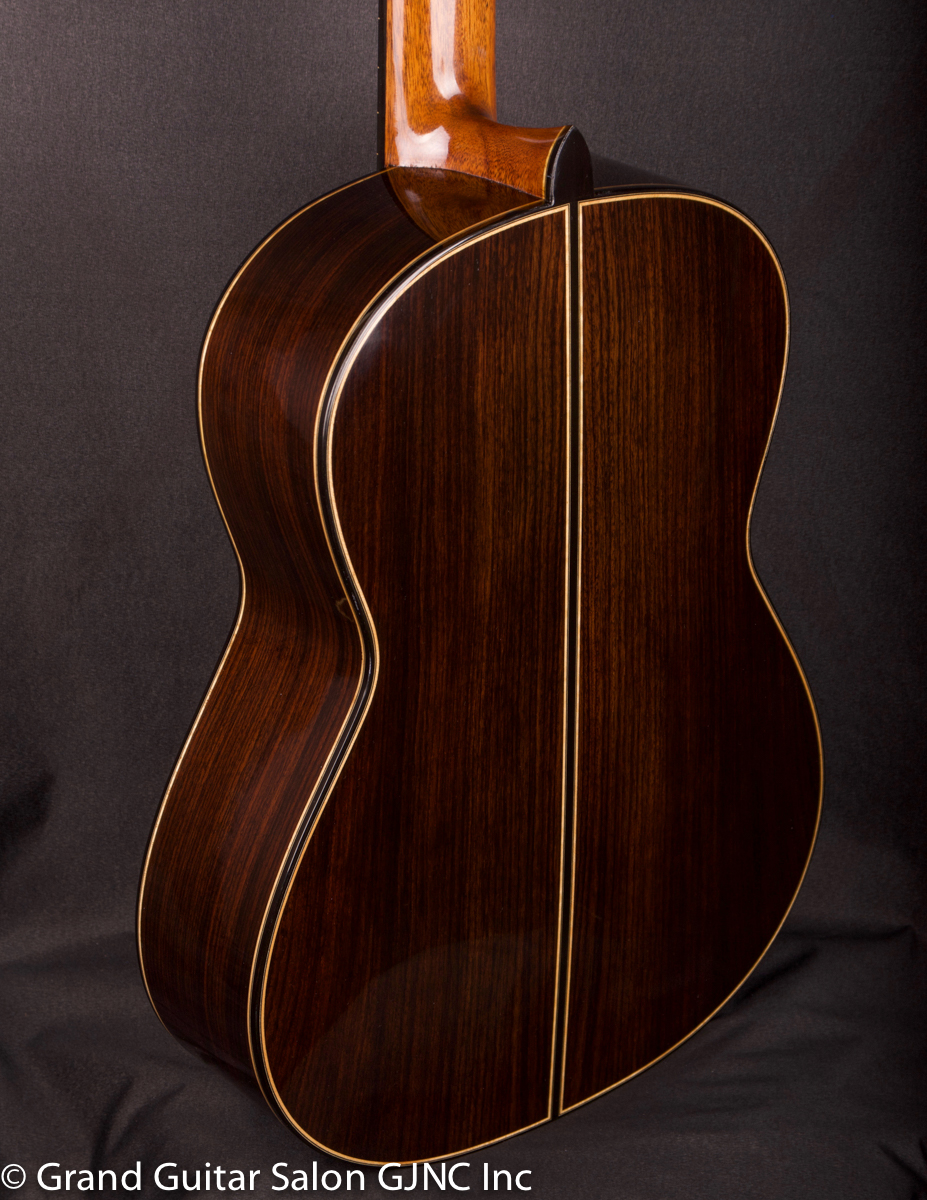
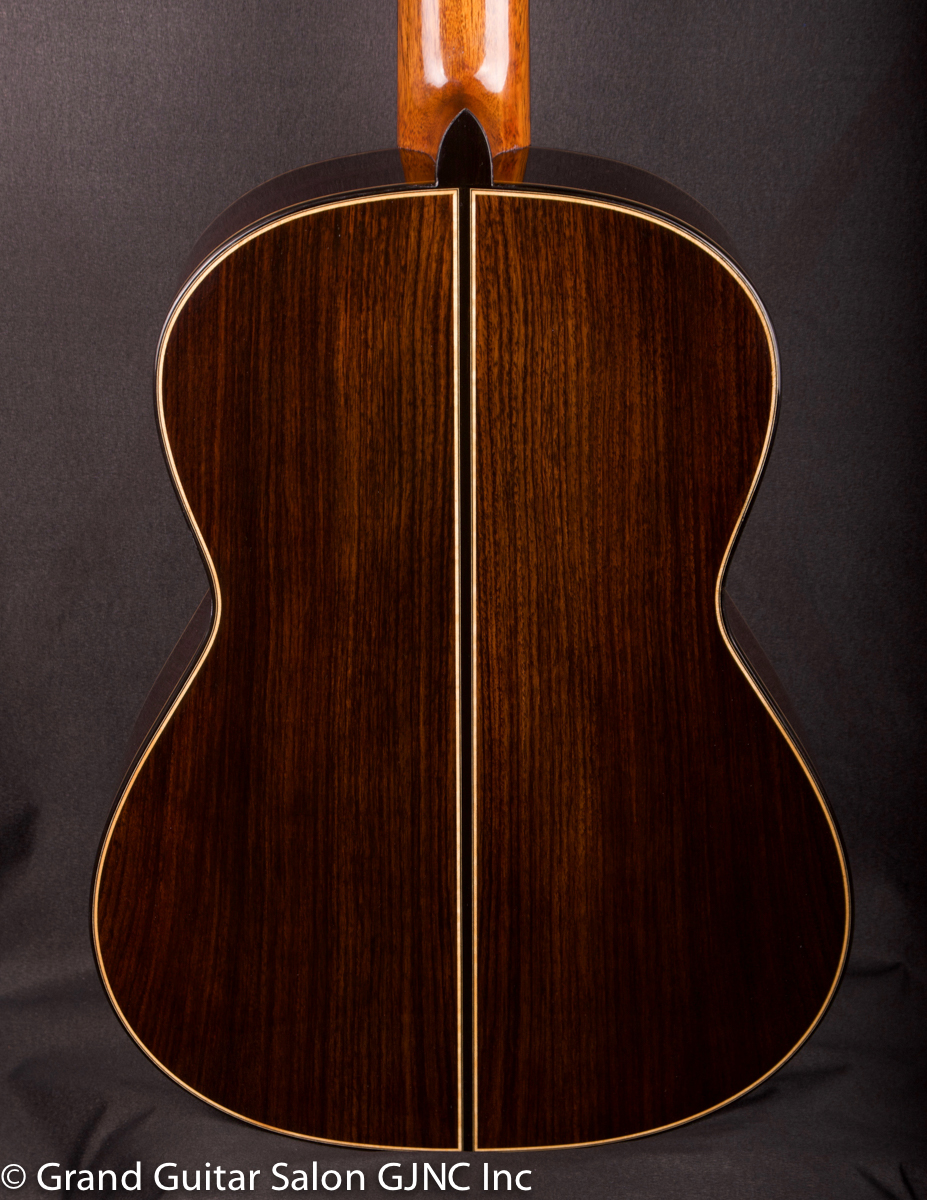
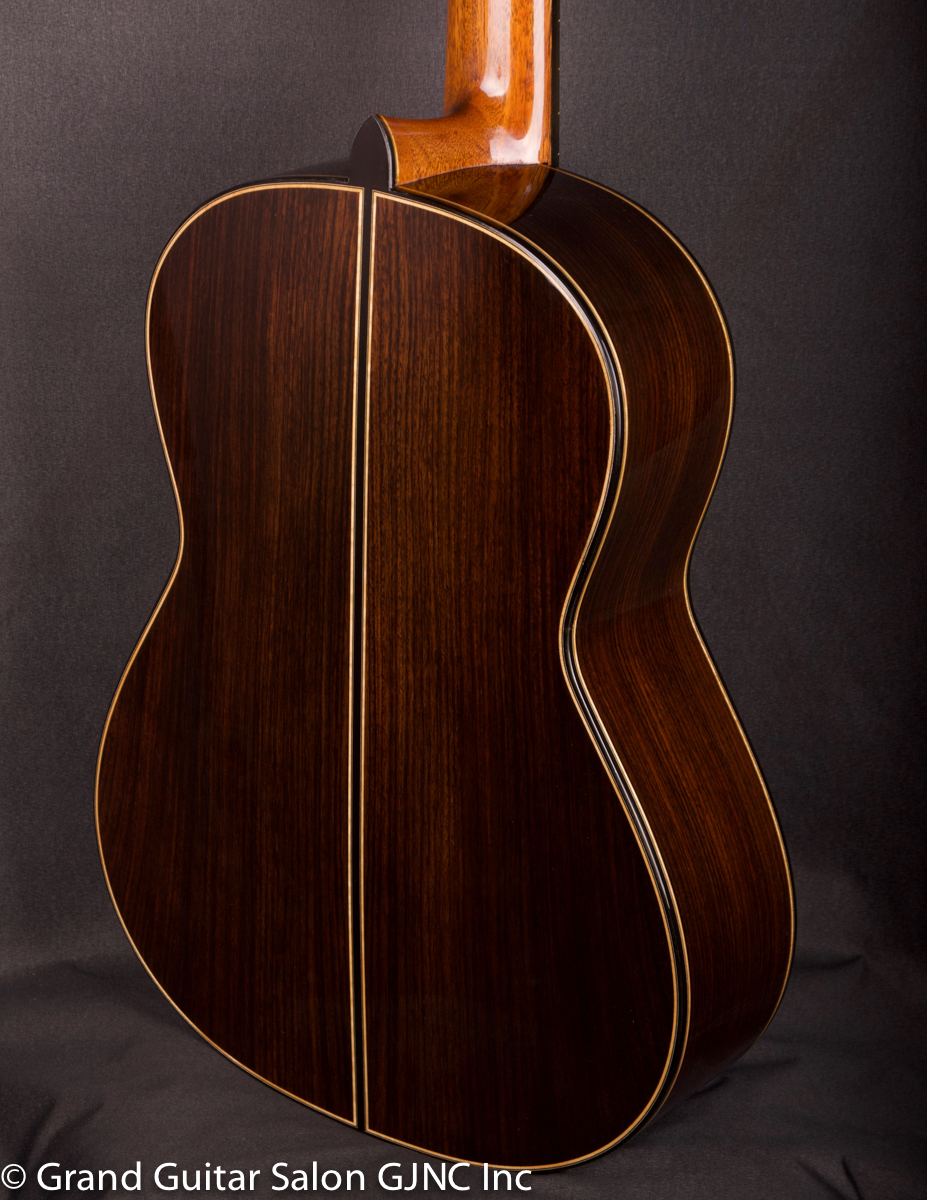
The spruce Double Top is complemented by Indian rosewood back and double sides, a slightly elevated mahogany neck and an African ebony fingerboard, bringing together contemporary concert-guitar thinking with Gropius’s deeply traditional approach to craftsmanship.
And the details are equally exceptional.
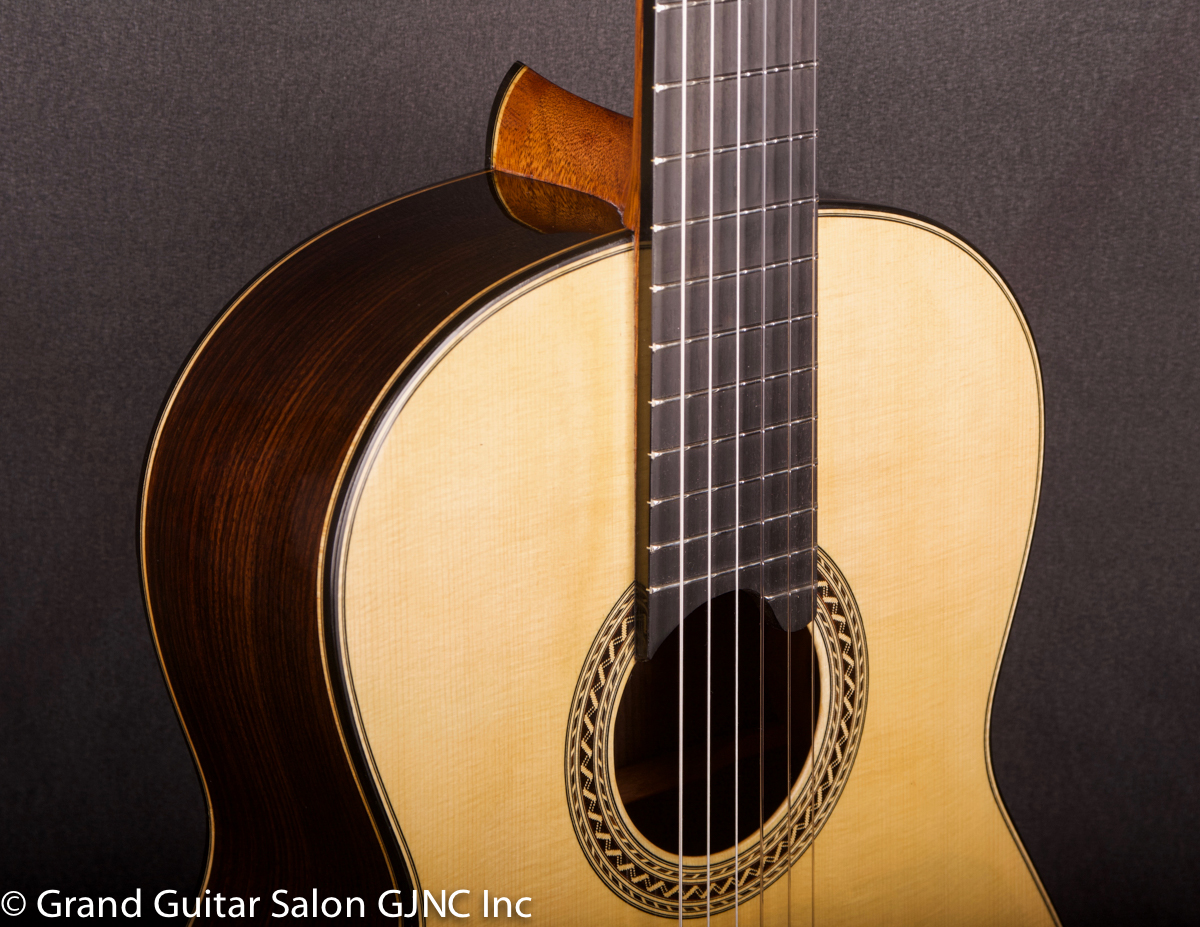
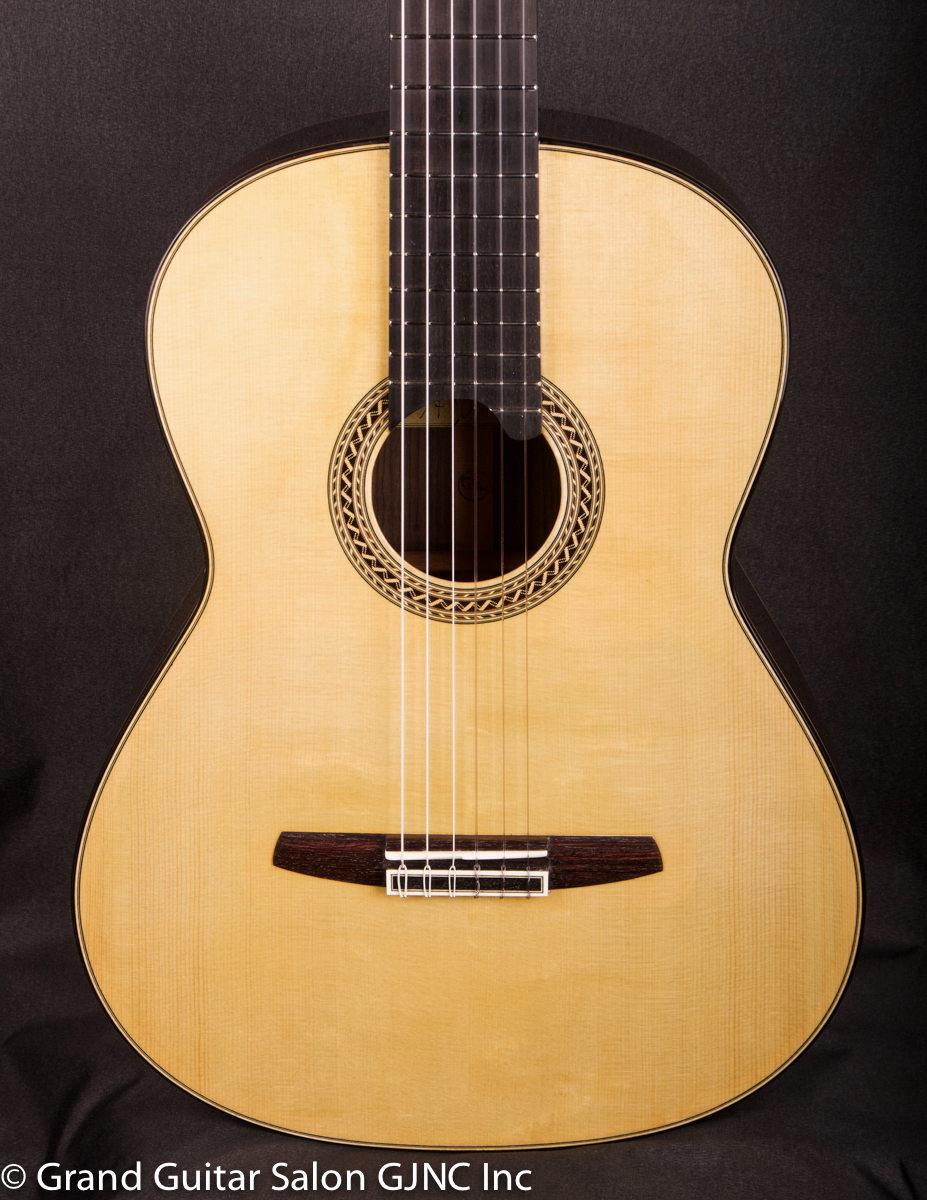
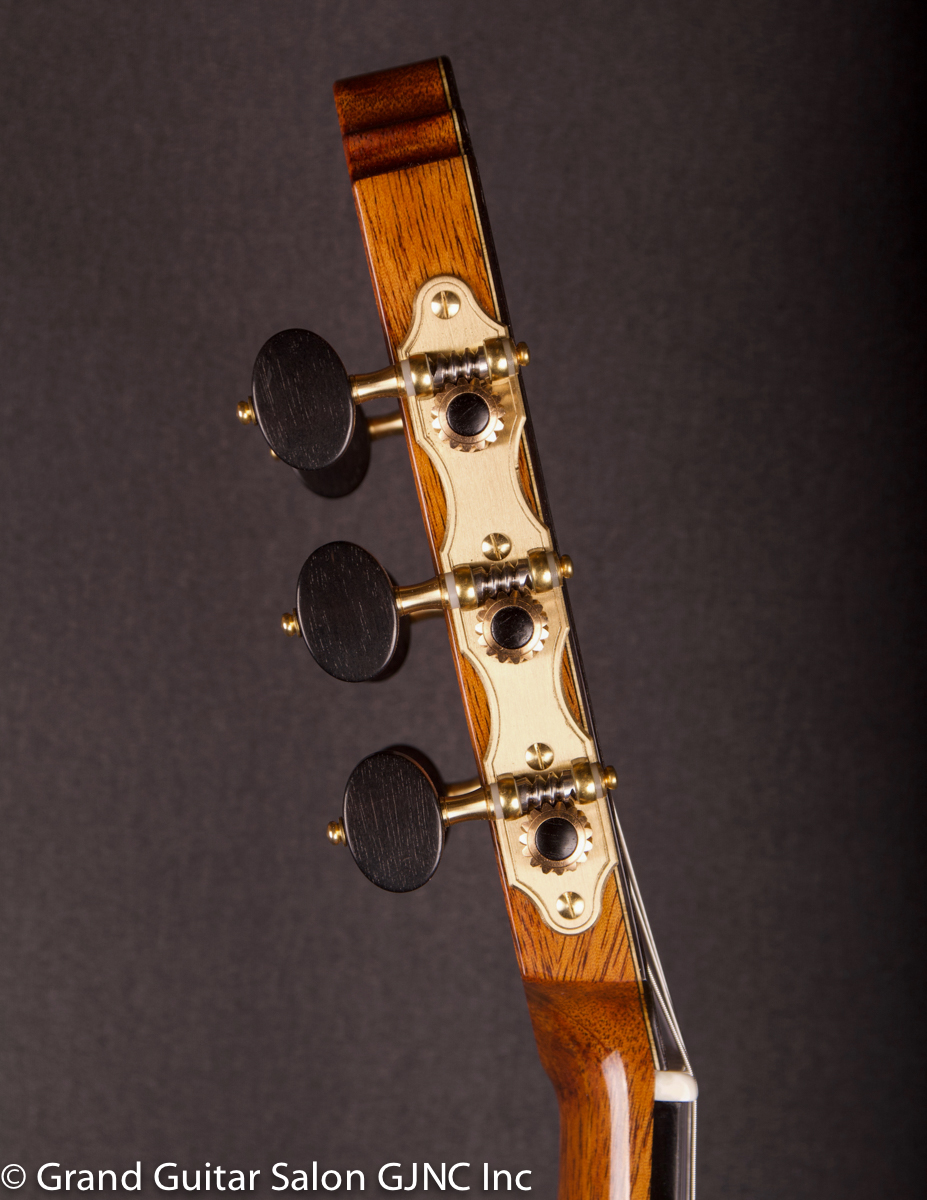
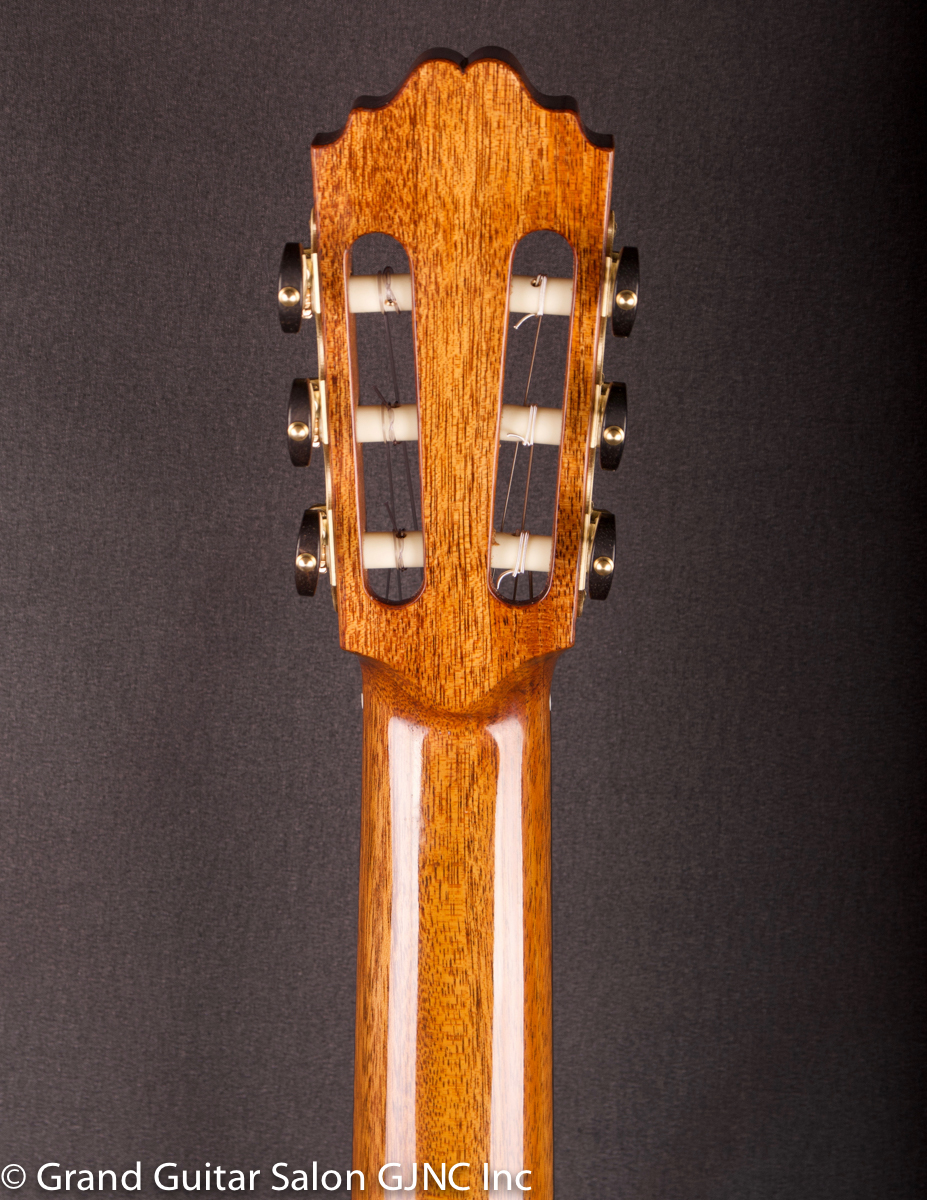
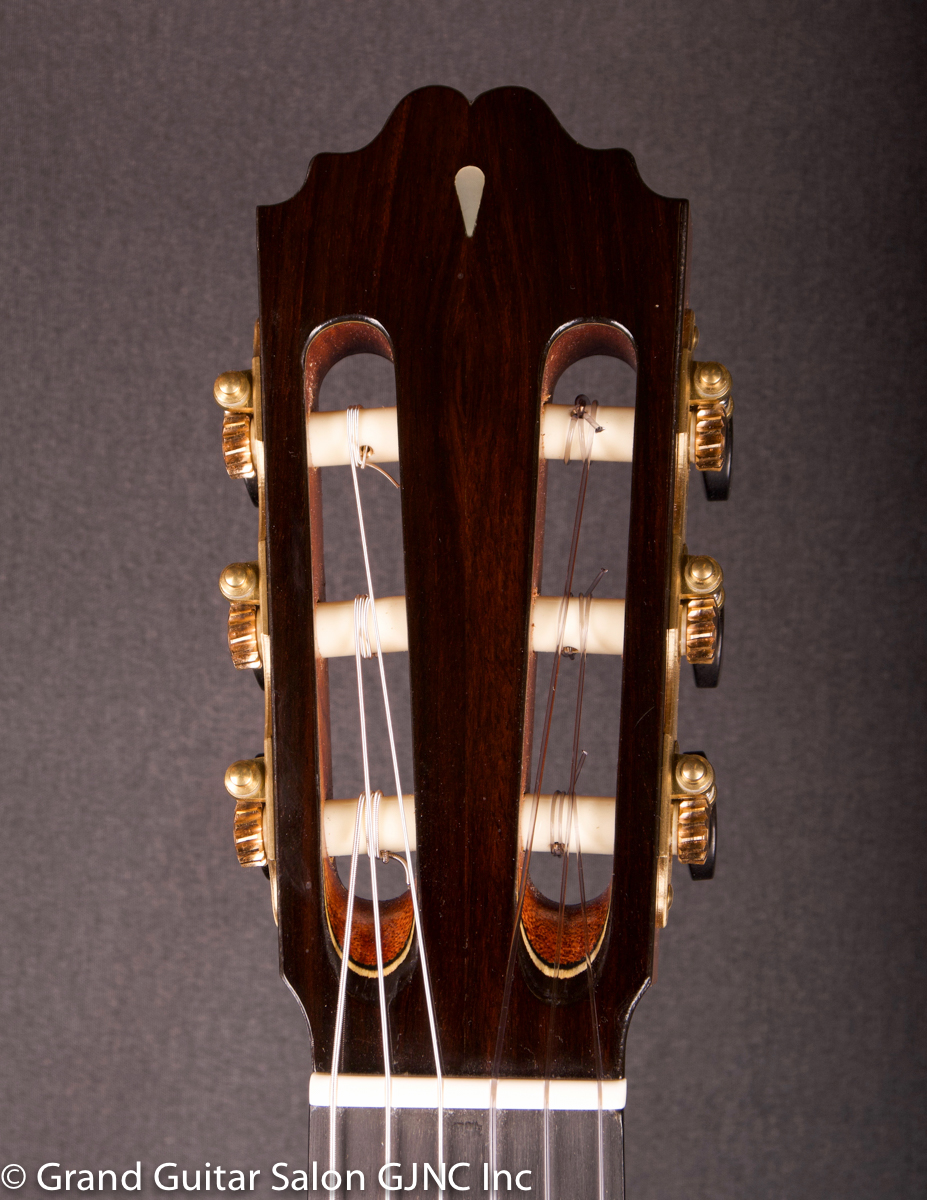
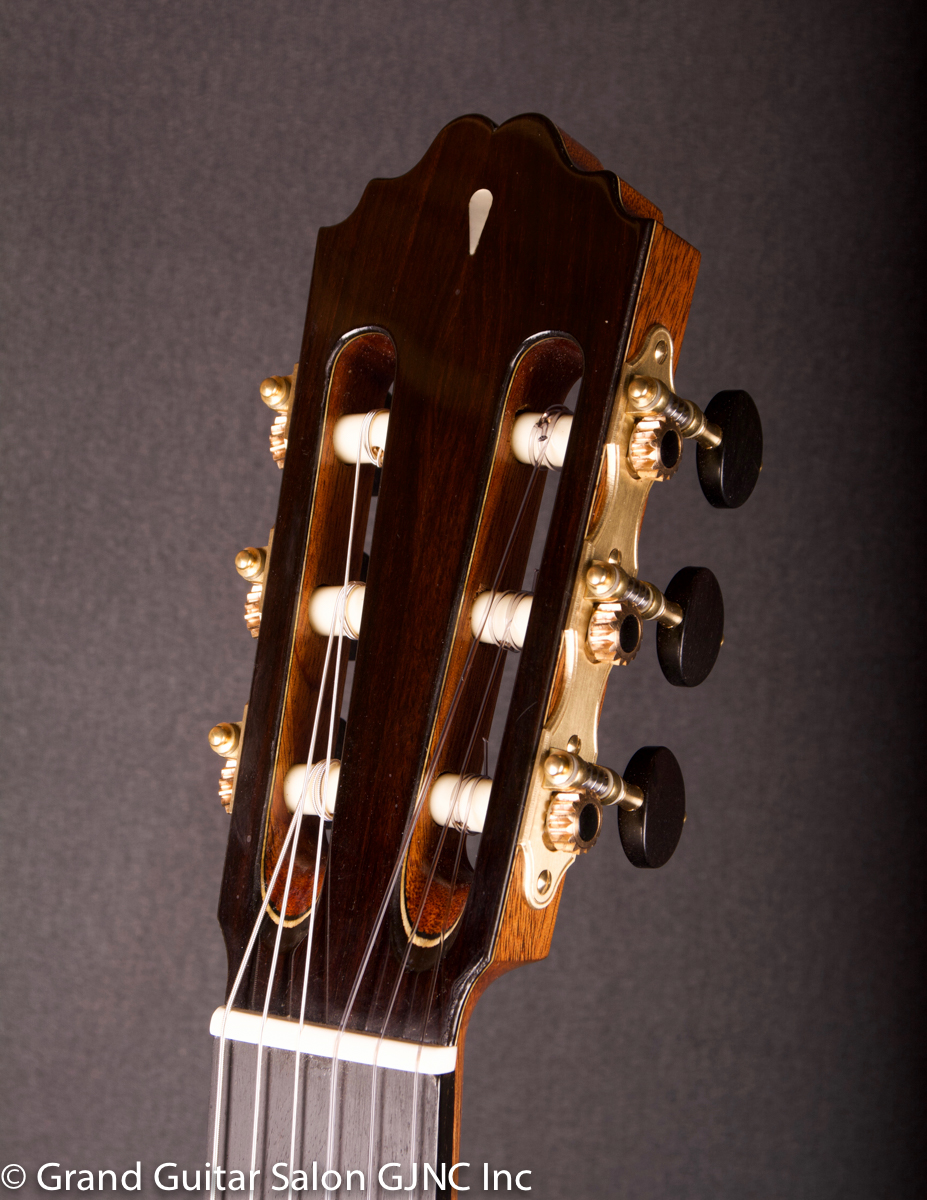
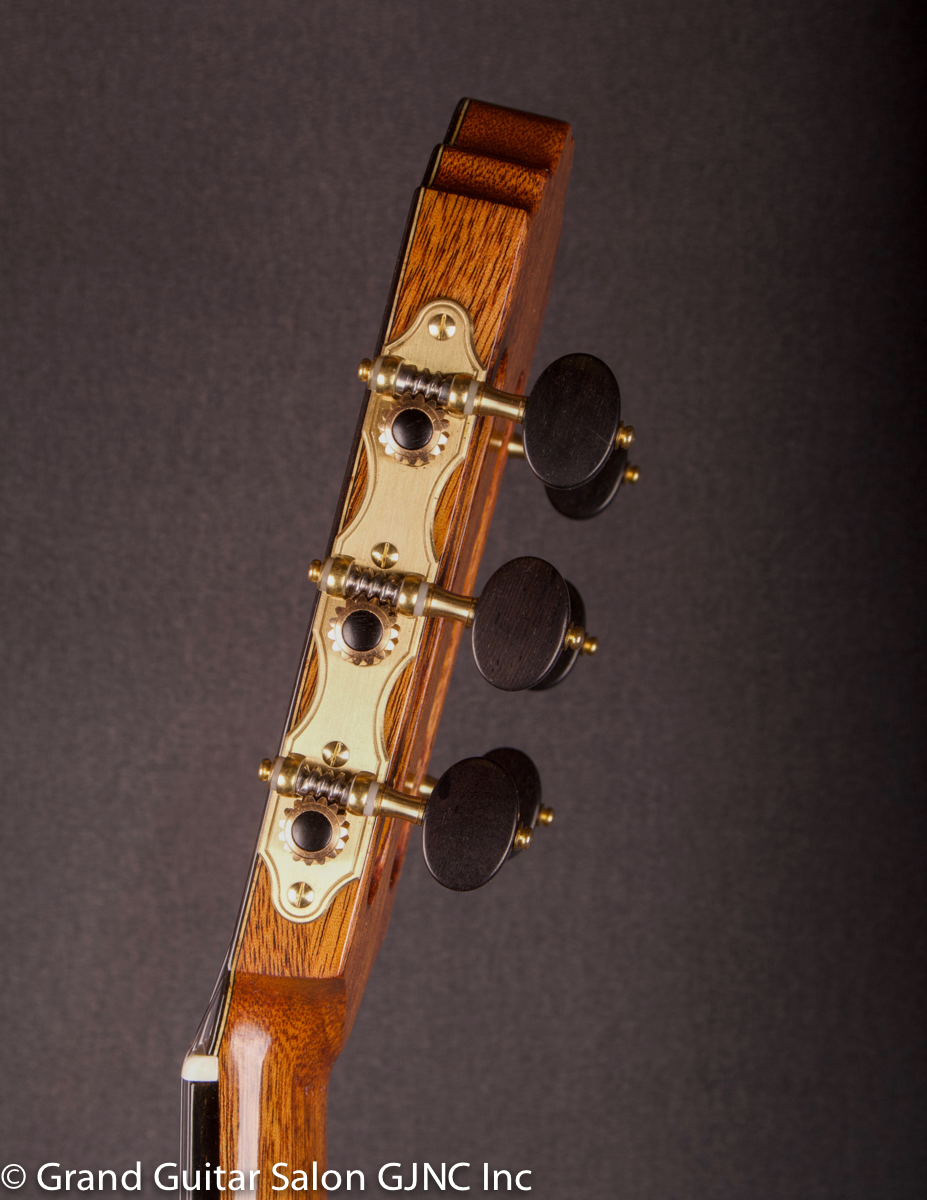
A handmade rosette, ebony bindings with maple purflings, an Indian rosewood bridge, exquisite Alessi handmade tuning machines with ebony knobs, and a traditional hand-rubbed French polish give the guitar an understated elegance worthy of its construction.
This is not innovation for innovation’s sake.
It is a sophisticated modern concert guitar created by a maker who believes that hand craftsmanship, carefully selected materials and the judgement of the luthier remain at the heart of a truly exceptional instrument.
With Gropius guitars heard on numerous professional recordings and his instruments established among players internationally, opportunities to acquire a new example are exceptionally limited. His current waiting list is approximately five years, and the next Gropius guitar allocated to Grand Guitar Salon is presently expected in 2027.
For the serious concert guitarist or collector seeking an individually handcrafted German Double Top with a distinctive philosophy behind its construction, this is a rare opportunity.
A must try. 🎸🇩🇪


Description
Specifications
New Concert Classical Double Top Guitar
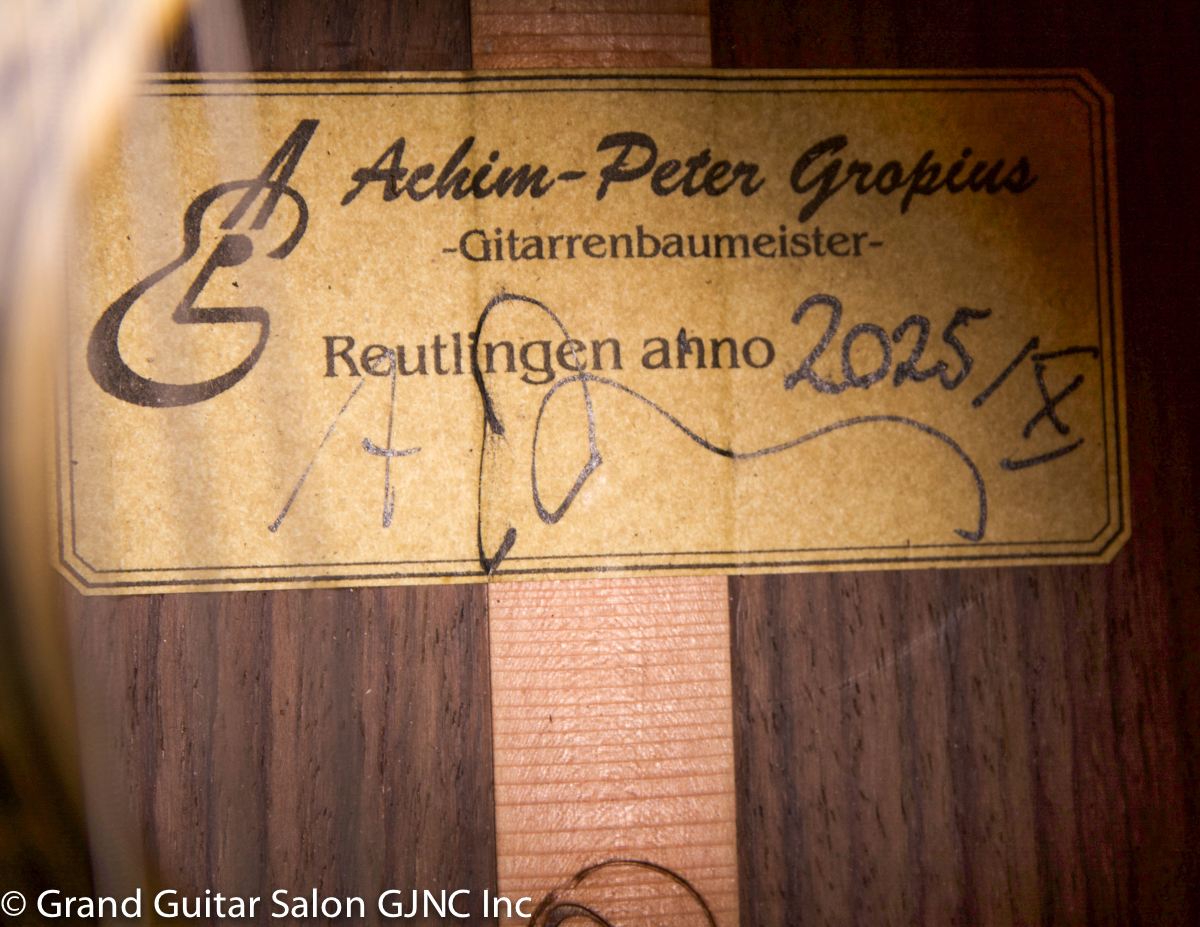
Finished March 2026
- Scale Length: 650mm
- Nut Width: 52mm
- Soundboard: German spruce on spruce
- Inner Core: Nomex
- Bracing: Fan braced
- Back & Sides: Indian rosewood
- Sides: Double sides
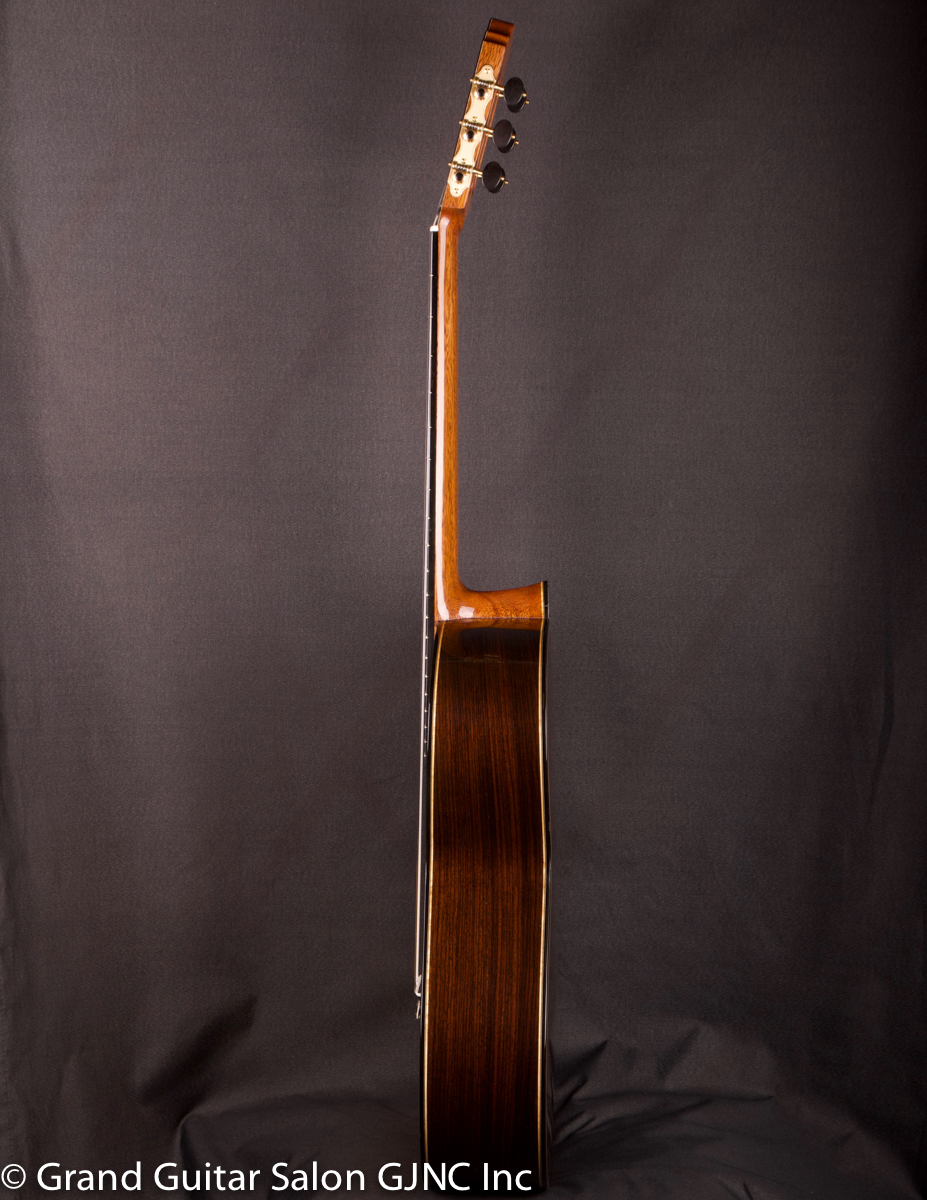
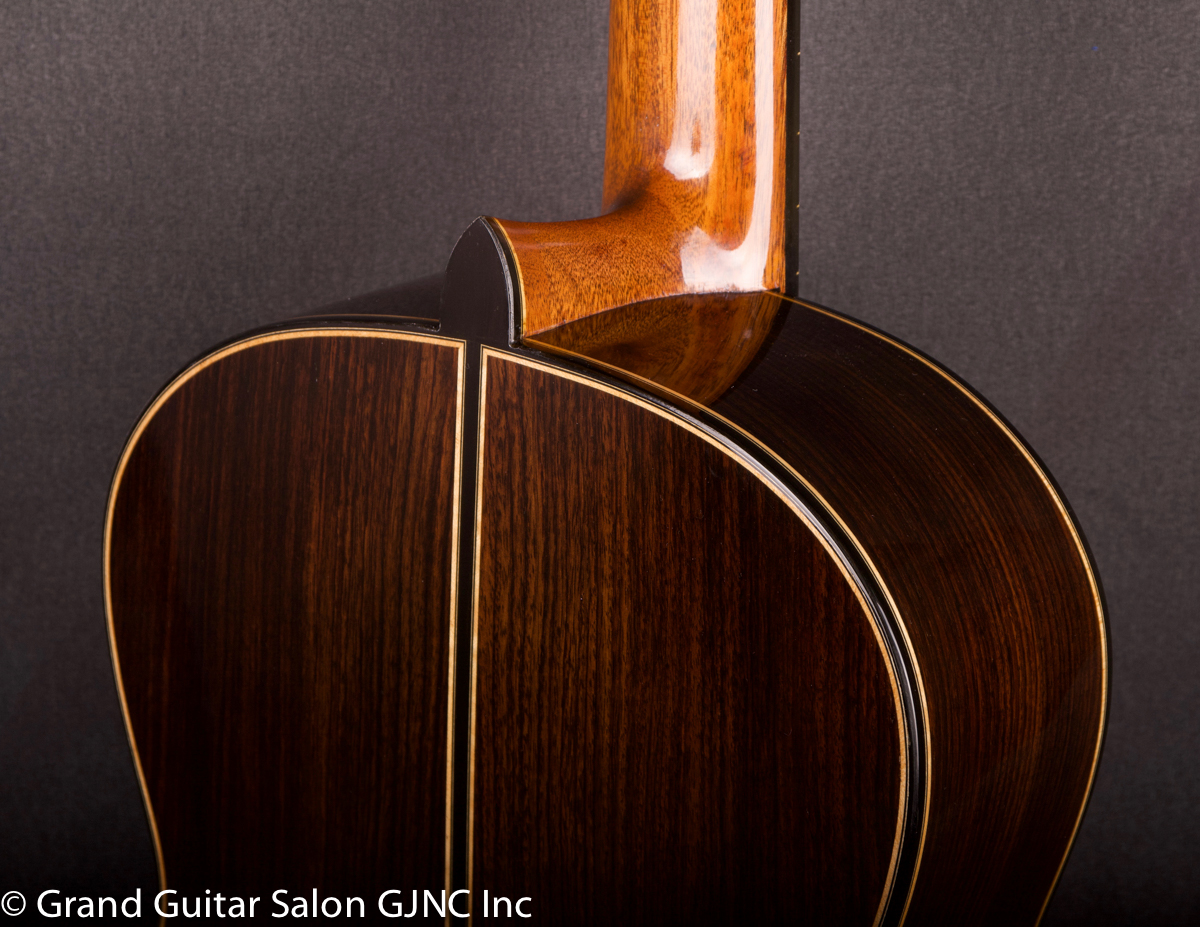
- Neck: Slightly elevated mahogany neck
- Fingerboard: African ebony
- Bindings: Ebony bindings with maple purflings
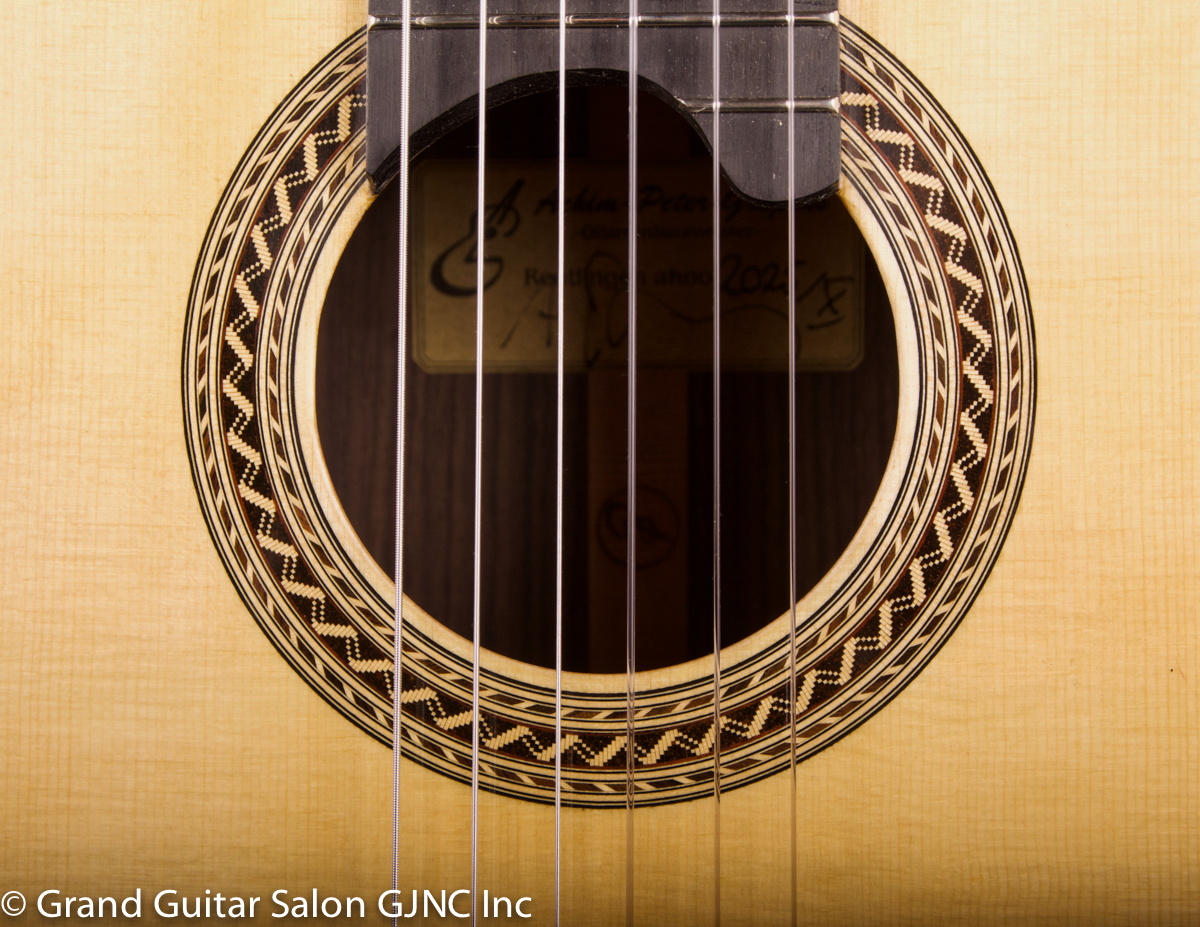
- Rosette: Hand made rosette
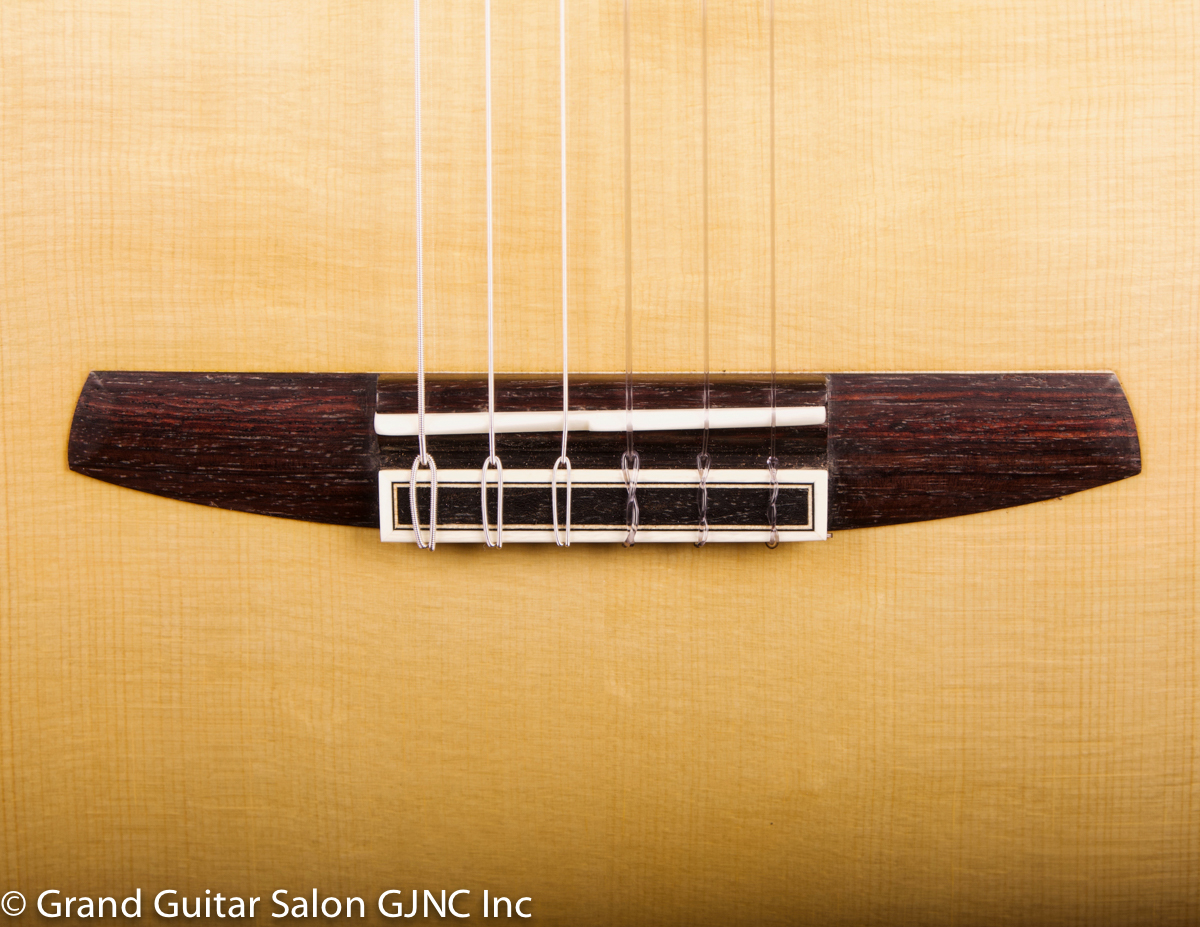
- Bridge: Indian rosewood
- Machine Heads: Alessi hand made machine heads with ebony knobs
- Finish: Hand rubbed French polish finishing
- Case: Hiscox liteflite PRO-II case included
- Weight: 1.8 Kg / 4 lbs
- Body Length: 48 cm / 18.89 inches
- Body Depth: 10.3 cm / 4.055 inches
- Upper Bout: 28 cm / 11 inches
- Lower Bout: 37 cm / 14.5 inches
The Guitar
A Spruce-on-Spruce Double Top
At the heart of this instrument is a German spruce-on-spruce Double Top, incorporating a lightweight Nomex inner core and fan bracing.
This sandwich construction is intended to achieve an efficient relationship between lightness, stiffness and acoustic response — allowing the soundboard to react readily to the energy transmitted by the strings.
Gropius has been building sandwich-top concert guitars for many years, and his official catalogue contains examples of spruce and cedar Double Tops dating back well over a decade. He describes his sandwich construction as producing a more substantial, fundamental-oriented tonal character than his conventional solid-top instruments.
In this 2026 guitar, the use of spruce for both outer soundboard layers creates a particularly interesting interpretation of the modern Double Top: one intended to combine the efficiency and dynamic reserves of sandwich construction with the clarity, tonal variation and articulation traditionally associated with fine spruce.
It is a concept ideally suited to the modern concert player — where projection must coexist with colour, sensitivity and musical control.
Double Sides & Elevated Neck
The soundboard is partnered with Indian rosewood back and double sides, creating a substantial and carefully controlled body structure.
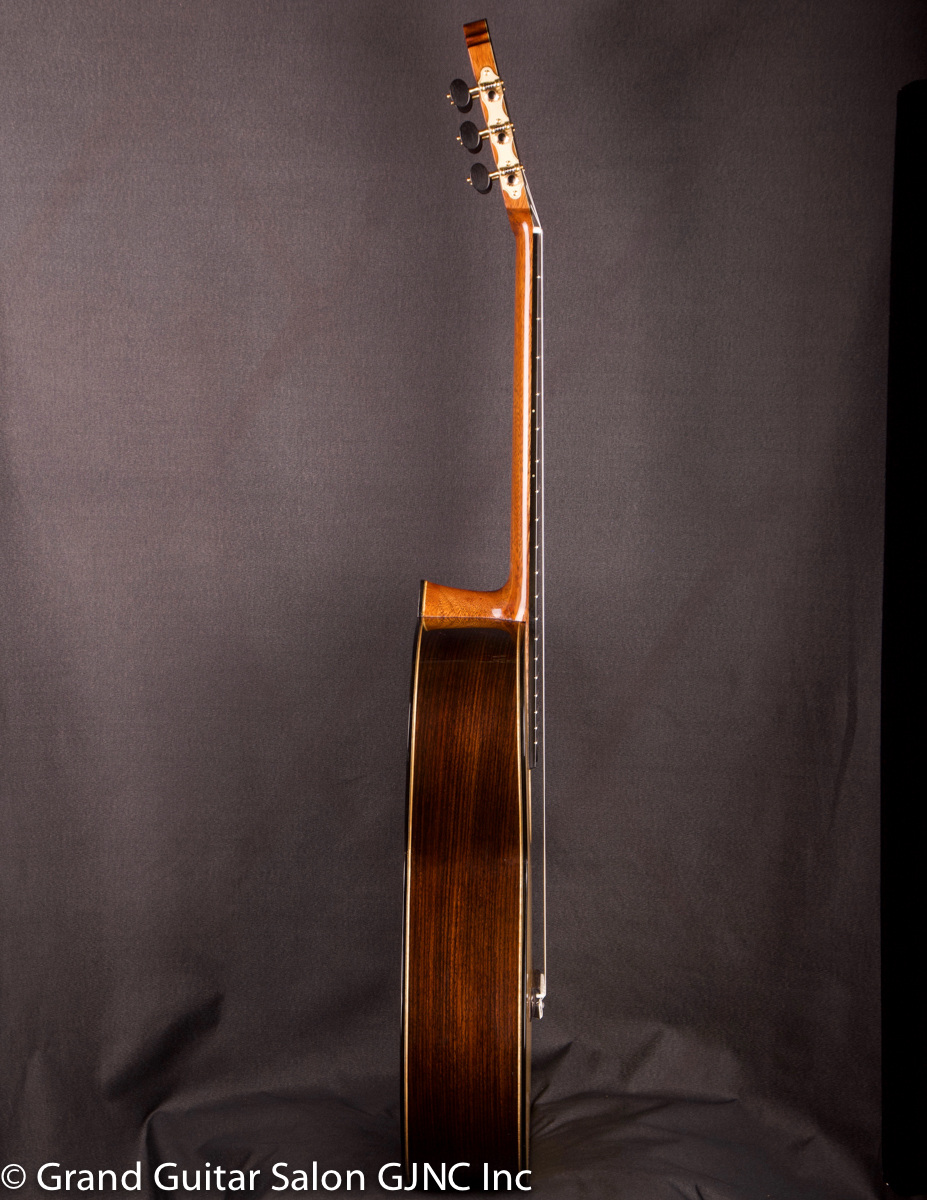
The slightly elevated mahogany neck introduces another contemporary element.
By raising the relationship between the fingerboard and body, this geometry is designed to improve access toward the upper register while creating additional clearance around the soundboard for the player’s right hand.
The result is a guitar conceived not simply around acoustic performance, but around the physical relationship between instrument and musician.
German Spruce & Indian Rosewood
Gropius places considerable importance on the selection and aging of his tonewoods, and his own writings describe German spruce as a traditional European soundboard material prized for transparency and its ability to produce a broad variety of tonal colours. Rosewood, meanwhile, remains his standard material for the back and sides of many classical guitars.
That classic combination forms the foundation of this instrument.
Yet here, those traditional woods participate in an unmistakably contemporary guitar.
It is precisely this contrast that makes Gropius’s work so interesting:
traditional materials, traditional craftsmanship and traditional visual elegance — combined with modern acoustic engineering where the maker believes it genuinely improves the instrument.
Details Worth Discovering
The craftsmanship becomes especially apparent when examining the smaller details.
The body is framed with elegant ebony bindings accented by maple purflings, while a handmade rosette provides an individual decorative signature around the soundhole.
The Indian rosewood bridge maintains the visual relationship with the body woods, while a set of exceptional Alessi handmade machine heads with ebony knobs completes the headstock.
Finally, the guitar is finished with a traditional hand-rubbed French polish.
Gropius himself favours shellac hand polishing on his classical guitars because of the acoustic qualities he associates with this delicate traditional finish.
Nothing feels unnecessarily extravagant.
Instead, the visual language remains refined, purposeful and timeless — allowing the woods, craftsmanship and proportions of the instrument to speak for themselves.
Achim-Peter Gropius
More Than Three Decades Dedicated to the Guitar
Achim-Peter Gropius was born in Berlin on February 25, 1967, and received his first guitar lessons at the age of nine.
After completing his secondary education, he made the important decision to pursue the making of guitars rather than formal guitar-performance studies.
From 1991 to 1994, he trained at the state violin-making school in Mittenwald, one of Germany’s historic centres for instrument making, receiving his diploma in 1994.
He subsequently worked with luthier Max Strohmer in Nuremberg before moving to Reutlingen later that year, where he worked with master violin maker Johannes Galic, restoring instruments of the violin family while continuing to develop his own guitar designs.
In the summer of 1996, Gropius opened his own workshop in Reutlingen.
In February 1998, he completed his Master examination in plucked-string instrument making before the Munich Chamber of Crafts and received the Master Prize of the Bavarian State Government.
Today his work centres on individually handcrafted master-grade classical guitars, alongside selected steel-string instruments, restoration and other specialist work.
In the Words of Achim-Peter Gropius
The Importance of the Human Hand
Perhaps the clearest way to understand a Gropius guitar is through the philosophy behind its construction.
Gropius places exceptional importance on the amount of manual craftsmanship invested in every instrument.
For him, a genuinely handmade guitar possesses a character and visual presence fundamentally different from an instrument produced predominantly by machinery.
The minute variations inherent in hand craftsmanship are not viewed as deficiencies in precision. Instead, they contribute to the individuality, visual depth and character that make fine handmade instruments so compelling — and allow them to develop gracefully as they age.
More importantly, Gropius believes that the judgement of an experienced craftsman cannot simply be replaced by machinery when pursuing the delicate adjustments necessary for tonal balance and playability.
His official philosophy specifically points to areas such as the shaping and bracing of the soundboard and the development of the neck profile as places where individual adjustment remains essential.
From the Tree to the Guitar
That same level of involvement extends to his tonewoods.
Gropius places great importance not only on selecting excellent materials, but also on their proper aging and preparation.
Whenever possible, he prefers to acquire woods in a very raw state — sometimes even as complete trunks — so that he can maintain greater control over how the material is cut and subsequently prepared.
His German-language account further explains that selected tonewoods are stored for several years before being processed into instrument components.
It represents a particularly intimate relationship between maker and material.
For Gropius, building the guitar does not necessarily begin when two prepared pieces of wood arrive on the workbench.
It can begin years earlier.
Tradition Without Fear of Innovation
Despite this deeply traditional philosophy, Gropius is equally clear that tradition should never prevent genuine improvement.
Where he believes a modern material or construction method provides a real advantage, he is willing to incorporate it.
His classical-guitar necks, for example, can employ carbon-fibre reinforcement, while sandwich or Double Top soundboards have become an established part of his concert-guitar work.
That makes this 2026 instrument an especially complete expression of his philosophy.
It is neither purely traditional nor deliberately futuristic.
Instead, it asks a much more useful question:
What combination of craftsmanship, materials and construction best serves the musician?
Heard on the Concert Stage & in Recordings
Gropius guitars have developed an international presence among musicians in Europe, Asia and the United States, and the maker’s official biography confirms that his instruments can be heard on numerous recordings.
His own media archive documents performances and recordings on a variety of his instruments, including multiple spruce and cedar Double Top guitars, demonstrating how sandwich construction has formed a meaningful part of his work over many years.
For the player considering this 2026 guitar, that history matters.
This is not an experimental first attempt at the Double Top concept.
It belongs to an established body of work from a maker who has spent decades refining his own interpretation of the modern concert guitar.
Exceptional Availability — Approximately Five-Year Waiting List
New Achim-Peter Gropius guitars are produced in extremely limited numbers, and his current waiting list is approximately five years.
The next new Achim-Peter Gropius guitar presently allocated to Grand Guitar Salon is expected to become available in 2027.
For players and collectors interested in acquiring a future Gropius instrument through our salon, early inquiries are warmly encouraged.
Proud Exclusive North American Dealer & Worldwide Availability
We are proud to be the exclusive North American dealer for Achim-Peter Gropius guitars, representing his exceptional German concert instruments throughout North America and introducing his work to players and collectors around the world.
For current availability, the upcoming 2027 allocation, or inquiries regarding future Achim-Peter Gropius instruments, please contact Grand Guitar Salon.
Worldwide shipping is available.
Photography
Please Note: These are the actual photographs of this guitar.
Achim-Peter Gropius — Official Website
Additional information
| Weight | 12 kg |
|---|---|
| Dimensions | 115 × 51 × 21 cm |


